
CAT A and CAT B Fit Out
Understanding the difference between CAT A and CAT B office fit outs and which is right for your project.
CAT A and CAT B Fit-Out
If you are leasing commercial space or planning an office relocation, you will almost certainly encounter the terms CAT A and CAT B fit-out. Understanding the difference between cat a vs cat b fit out is essential for making informed decisions about your project scope, budget, and timeline.
At District Four Design, we deliver both cat a fit out and cat b fit out projects across the UK. This page explains what each category involves, what it typically costs, who is responsible for what, and how to determine which type of fit-out your project requires.
What Is a CAT A Fit-Out?
A cat a fit out takes a commercial space from shell condition to a basic, landlord-standard finish. It creates a blank canvas that is ready for a tenant to move into and customise. CAT A work addresses the fundamental building services and finishes that any occupier would need, regardless of their specific requirements.
What CAT A Typically Includes
- Raised access flooring
- Suspended ceiling with integrated lighting (usually a grid system)
- Basic mechanical ventilation and air conditioning
- Electrical distribution to floor boxes or perimeter trunking
- Fire detection and suppression systems (sprinklers, smoke detectors, alarms)
- Basic decoration to a neutral standard (painted walls, carpet tiles)
- Lift lobbies and common area finishes
- Toilet facilities to building standard
- Compliance with Building Regulations and relevant British Standards
The key characteristic of a CAT A fit-out is that it is generic. It does not reflect any particular occupier’s brand, culture, or operational needs. It simply brings the space up to a standard where it can be occupied and where a tenant-specific CAT B fit-out can begin.
What Is a CAT B Fit-Out?
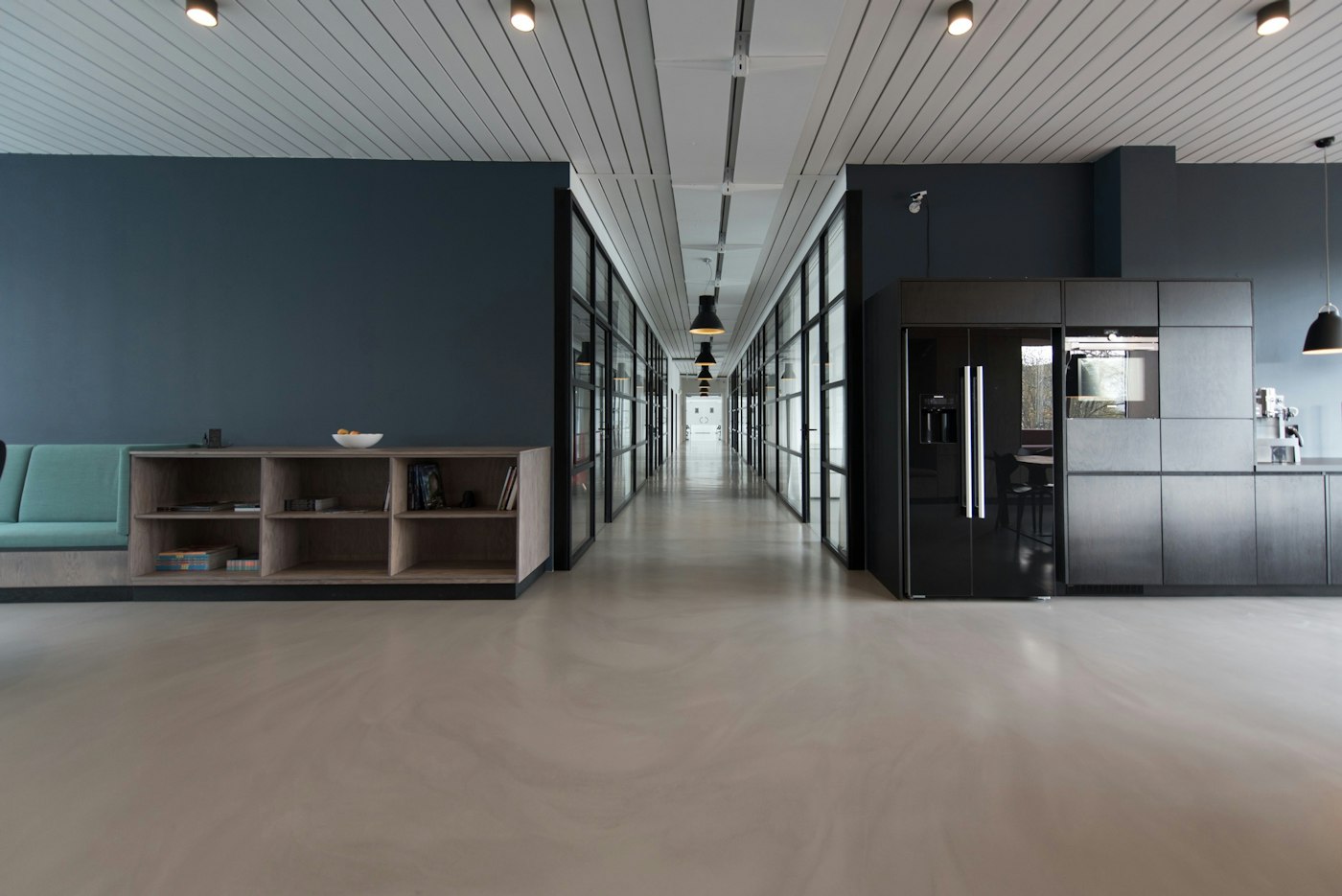
A cat b fit out transforms a CAT A space into a fully functional, branded workplace tailored to a specific occupier. This is the stage where interior design truly comes into play, and where the space is shaped to support your people, your brand, and your way of working.
What CAT B Typically Includes
- Internal partitioning and room layouts (offices, meeting rooms, phone booths)
- Reception area design and construction
- Kitchen and breakout area fit-out
- Bespoke joinery and feature elements
- Branded finishes, signage, and graphics
- Specialist lighting design beyond the CAT A grid
- Audio-visual and technology installations
- Furniture specification, procurement, and installation
- Floor finish upgrades (engineered timber, luxury vinyl, branded carpet)
- Acoustic treatment and sound masking
- Data, power, and connectivity infrastructure
- Planting and biophilic design elements
The CAT B fit-out is where your workspace becomes uniquely yours. It is the most visible and impactful investment you will make in your commercial space, and it directly affects how your team works, how your clients perceive you, and how your brand is experienced in the physical world.
CAT A vs CAT B – The Key Differences
Purpose
CAT A creates a generic, ready-to-occupy shell. CAT B creates a bespoke, brand-specific workplace. Think of CAT A as the foundation and CAT B as the building you construct on top of it.
Responsibility
CAT A work is most commonly the landlord’s or developer’s responsibility. It is carried out before the tenant takes occupation and forms part of the lease agreement. In some cases, the landlord provides a contribution towards CAT A costs, or the space is let in shell condition with the tenant responsible for both categories.
CAT B work is almost always the tenant’s responsibility. The tenant commissions the design, appoints the fit-out contractor, and funds the works. This is where District Four Design typically becomes involved, although we also deliver CAT A projects where the tenant is taking a shell space.
Design Involvement
CAT A fit-outs follow a largely standardised specification with limited scope for creative input. The decisions are primarily technical and practical. CAT B fit-outs require significant design input – from space planning and interior design through to furniture selection and brand integration.
Timescales
CAT A works are generally quicker to deliver because the scope is standardised and there are fewer bespoke elements. A typical CAT A fit-out for a medium-sized floor plate might take 6 to 10 weeks. CAT B timescales are more variable, depending on the complexity of the design, the specification of materials and furniture, and the extent of bespoke elements.

One team from start to finish
No subcontractor roulette. No finger-pointing. We handle design, construction and furniture under one roof, giving you a single point of contact from first call to final handover.
Discuss Your Project →How Much Does Each Category Cost?
Costs vary depending on the building, the specification, and the location. However, the following ranges provide a useful guide for budgeting purposes.
CAT A Fit-Out Costs
A cat a fit out typically costs between £40 and £55 per square foot. This range covers a standard specification including raised floors, suspended ceilings, basic M&E, and neutral finishes. Costs can be higher in London and the South East, and where the base building requires significant work to bring up to standard.
CAT B Fit-Out Costs
A cat b fit out typically costs between £65 and £140+ per square foot. The wide range reflects the enormous variation in CAT B specifications:
- At the lower end (£65 to £85 per sq ft), you might expect a straightforward open-plan layout with standard partitioning, good-quality commercial furniture, and a clean, professional finish
- At the mid-range (£85 to £110 per sq ft), the specification steps up to include bespoke joinery, feature lighting, higher-end finishes, dedicated collaboration spaces, and integrated AV solutions
- At the upper end (£110 to £140+ per sq ft), projects typically include premium materials, extensive bespoke elements, high-specification technology, branded feature walls, and a level of detail and craftsmanship that creates a truly distinctive space
These figures are indicative and should be used for early-stage budgeting only. We always recommend discussing your specific requirements with us so we can provide tailored cost guidance based on your brief, your building, and your priorities.
When Do You Need CAT A, CAT B, or Both?
Taking a Space with Existing CAT A
If you are moving into a space where the landlord has already completed the CAT A works, you will only need a CAT B fit-out. This is the most common scenario for businesses taking space in multi-let office buildings. You inherit the raised floors, ceilings, and base services, and your fit-out focuses on making the space work for your organisation.
Taking a Shell Space
If you are taking a shell-and-core space with no existing CAT A works, you will need both CAT A and CAT B. This is common in new-build developments or refurbished buildings where the landlord offers a contribution towards the fit-out rather than completing the CAT A themselves. District Four Design can manage both stages as a single, integrated project.
Refurbishing an Existing Office
If you are refurbishing a space you already occupy, the project is technically a CAT B exercise, although some CAT A elements (such as ceiling replacement or M&E upgrades) may be included in the scope. We assess each project individually and advise on the most cost-effective approach.
Making the Right Investment
Whether your project involves CAT A, CAT B, or both, the most important thing is to invest wisely. A well-planned fit-out creates a workspace that supports your people, reinforces your brand, and delivers a return through improved productivity, better staff retention, and a stronger impression on clients and visitors.
At District Four Design, we help businesses across the UK navigate the fit-out process with confidence. From early-stage advice on which category of work you need, through to design, construction, and handover, we provide a single point of contact and a commitment to quality at every stage.
If you are planning a fit-out and want clear, honest guidance on scope, cost, and timelines, get in touch. We are always happy to talk through your project and help you understand the best route forward.